
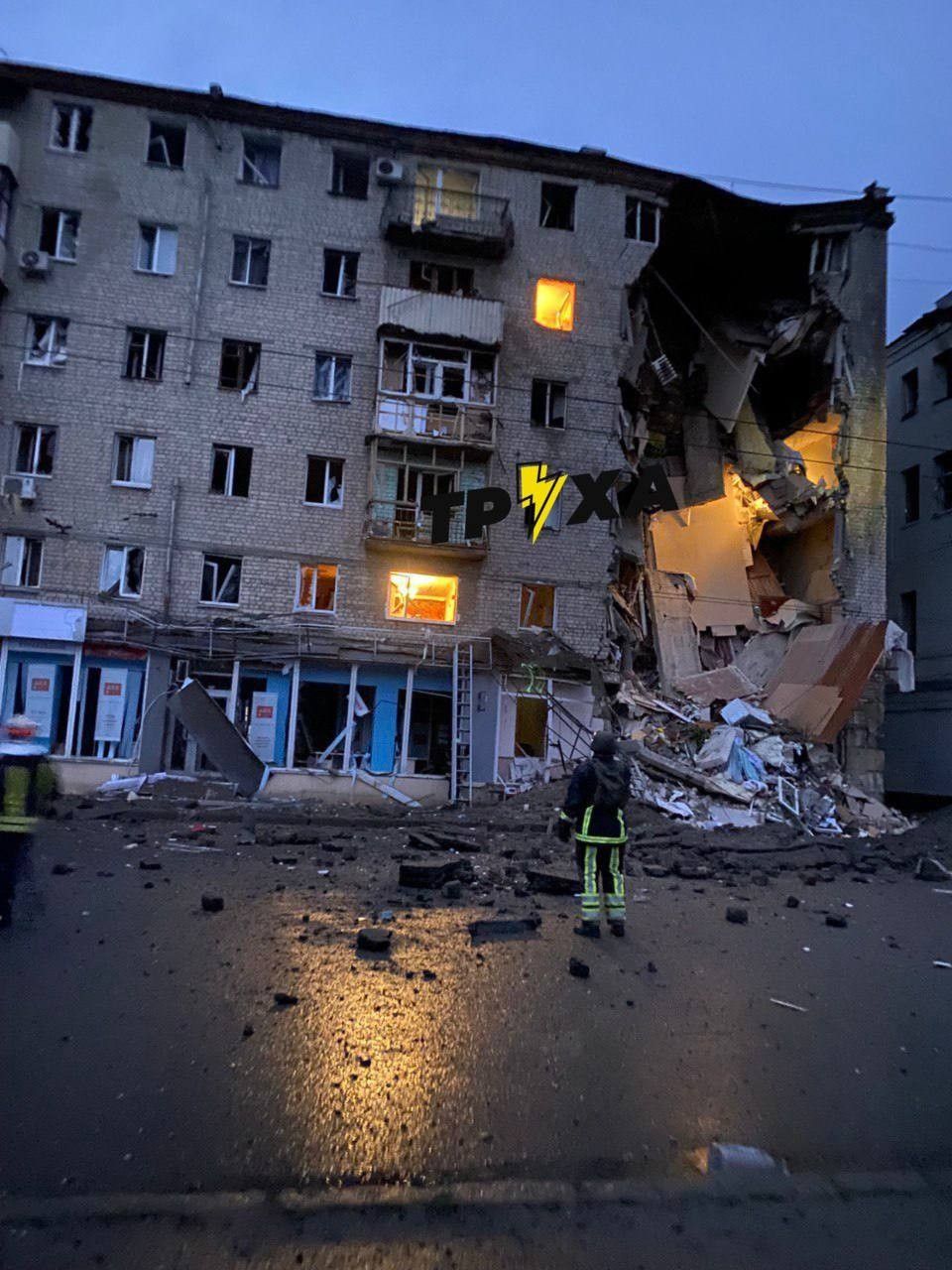
The conflict in Gaza is rooted in a long and complex history of political tension and territorial disputes.
Civilian Impact
Civilians have been heavily affected, with widespread humanitarian concerns regarding safety, displacement, and access to basic needs.
Infrastructure and Essential Services
Damage to infrastructure has severely impacted healthcare, water supply, electricity, and transportation systems.
Economic Consequences
The regional economy has faced significant disruption, affecting employment and long-term development.
Mental Health Effects on Families and Children
Children and families are experiencing severe emotional distress, trauma, and long-term psychological effects.
Global Reactions and Diplomacy
The conflict has led to divided international responses and ongoing diplomatic discussions.
Media Coverage and Public Perception
Media reporting and social media narratives have played a major role in shaping global public opinion.
? Comparing the Economic Impact of Modern Wars
Rising Defence Spending
Many countries have significantly increased military and defence budgets.
Inflation and Cost of Living Pressures
Global conflicts have contributed to inflation and rising living costs.
Energy and Food Security
Disruptions in supply chains have affected energy prices and food availability.
Cost of Reconstruction
Post-war rebuilding requires long-term financial investment from governments and international organisations.
Long-Term Economic Recovery
Economic recovery from large-scale conflicts can take decades.
? The Hidden Mental Health Crisis
Trauma Among Civilians
War leaves lasting psychological effects on civilian populations.
PTSD and Long-Term Disorders
Many individuals develop post-traumatic stress disorder and other long-term mental health conditions.
Anxiety, Depression, and Grief
Widespread emotional distress is common in conflict-affected regions.
Impact on Children and Young People
Younger generations are particularly vulnerable to long-term psychological effects.
Access to Mental Health Support
In many regions, mental health services remain limited or inaccessible.
? The Role of Media and Information
Traditional Journalism
News organisations play a critical role in reporting conflict accurately and responsibly.
Social Media Reporting
Real-time updates from social platforms have changed how conflicts are viewed globally.
Misinformation and Disinformation
False or misleading information can spread quickly during wartime.
Public Trust in Media
Conflicts often influence how much trust the public places in news sources.
? Disability, Inclusion, and Vulnerable Communities
Impact on Disabled People
War disproportionately affects disabled individuals due to accessibility and mobility challenges.
Access to Healthcare
Conflict zones often experience breakdowns in essential healthcare services.
Displacement and Accessibility
Evacuation and refugee processes can create additional barriers for vulnerable groups.
Inclusive Humanitarian Response
There is an increasing need for humanitarian aid systems that prioritise accessibility and inclusion.
? Global Lessons and Future Challenges
Preventing Future Conflict
International cooperation remains essential to reducing the risk of future wars.
Supporting Veterans and Survivors
Long-term care for veterans and survivors is critical.
Strengthening International Cooperation
Global institutions continue to play a key role in peacekeeping and diplomacy.
Rebuilding Communities
Recovery efforts focus on rebuilding infrastructure, economies, and social systems.
? Conclusion
The War on Terror, the Ukraine War, and the Gaza conflict differ in geography, politics, and historical context, yet they share common consequences.
Economic disruption, human suffering, psychological trauma, and social division continue long after headlines fade.
Understanding these impacts is essential not only for policymakers but also for communities seeking to learn from the past and build a more stable and inclusive future.
Comments