Independent Journalism • Public Interest • Community Stories
A detailed exploration of how the entertainment industry could develop fair and effective artist vetting systems in the future. This article examines the importance of balancing creativity, opportunity, safeguarding, professionalism, and accountability while ensuring that artists are treated fairly and workplaces remain safe for everyone. It explores what artist vetting means, where it could apply, how it could work, when it should take place, and the ongoing debate surrounding responsibility and freedom in the entertainment world.
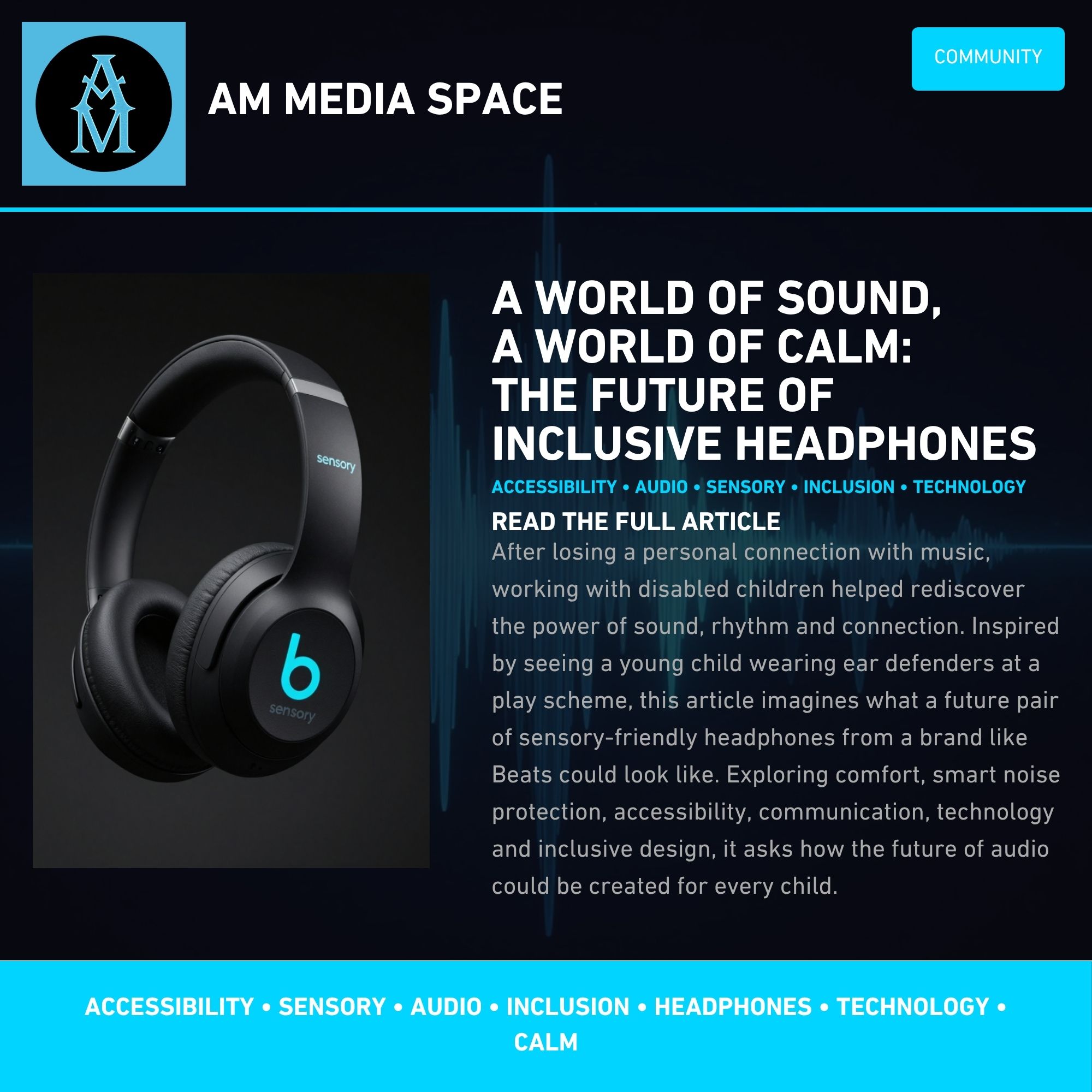
This article explores a personal loss of connection to music and the journey of trying to rediscover it. Through ideas of frequency, emotional “colour,” and physical responses like chills and resonance, it reflects on how music moves through the body and mind. It also considers how time, emotional change, and life experience can alter how we hear and feel music, and what it means to reconnect with that experience again.
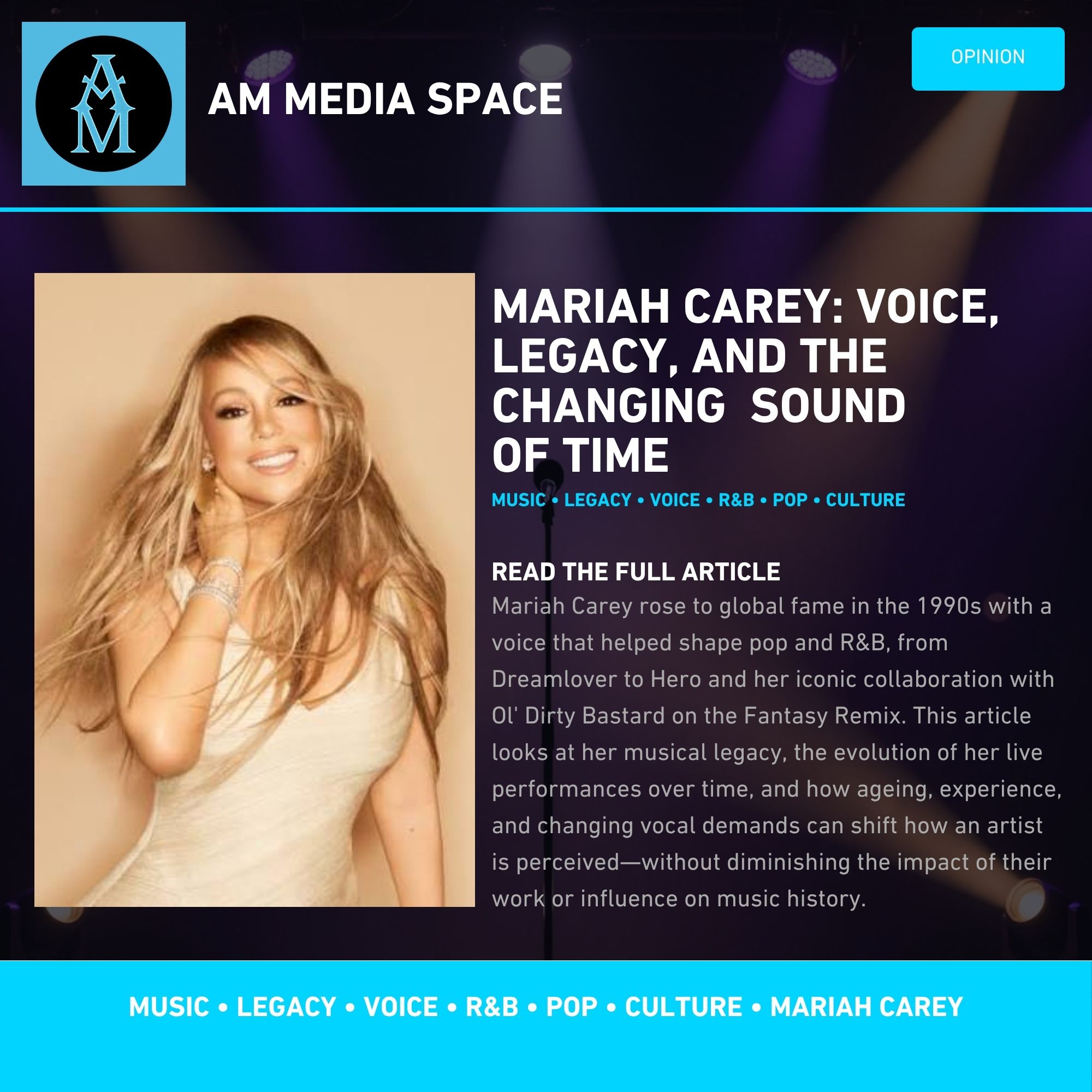
Mariah Carey’s early career helped define modern pop and R&B, with iconic tracks like Dreamlover, Hero, and Fantasy, as well as her groundbreaking collaboration with Ol’ Dirty Bastard on the Fantasy Remix. This article explores her rise as one of the most influential vocalists of her generation, how time and live performance have shaped public perception of her voice, and where she is today. It reflects on the difference between memory, nostalgia, and the reality of a voice changing over time rather than losing its essence.
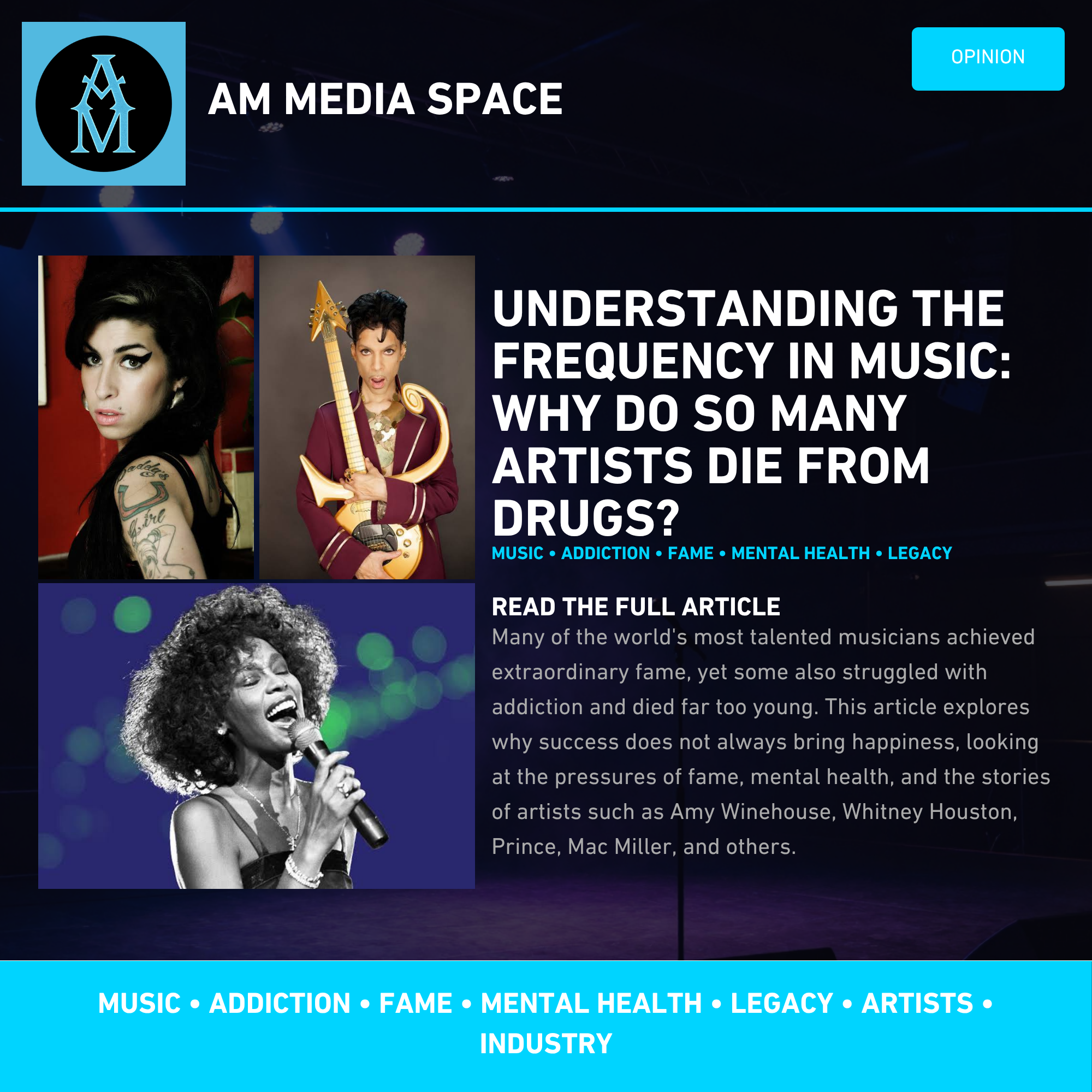
Many of the world's most talented musicians achieved extraordinary fame, yet some also struggled with addiction and died far too young. This article explores why success does not always bring happiness, looking at the pressures of fame, mental health, and the stories of artists such as Amy Winehouse, Whitney Houston, Prince, Mac Miller, and others. It examines the common factors behind addiction in the music industry while remembering the remarkable legacies these artists left behind.
An opinion-led reflection exploring why public funding often feels misallocated across key services like healthcare, education, and disability support. The article considers whether growing wealth inequality influences political and economic priorities, and how this interacts with government budgeting, policy decisions, and system pressures. It argues that the issue is not a single cause, but a complex mix of structural inequality, competing demands, and economic influence.
Why does the entertainment industry seem so focused on sex, scandal, abuse allegations, and movements such as #MeToo? This article explores the statistics, the role of celebrity culture, media attention, and power dynamics within entertainment. It examines whether the issue is really about sex itself or whether the deeper problem lies in the influence, control, and pursuit of attention that have become central to modern culture. Through a balanced look at facts and personal interpretation, the article asks how society can create healthier systems while maintaining accountability and fairness.
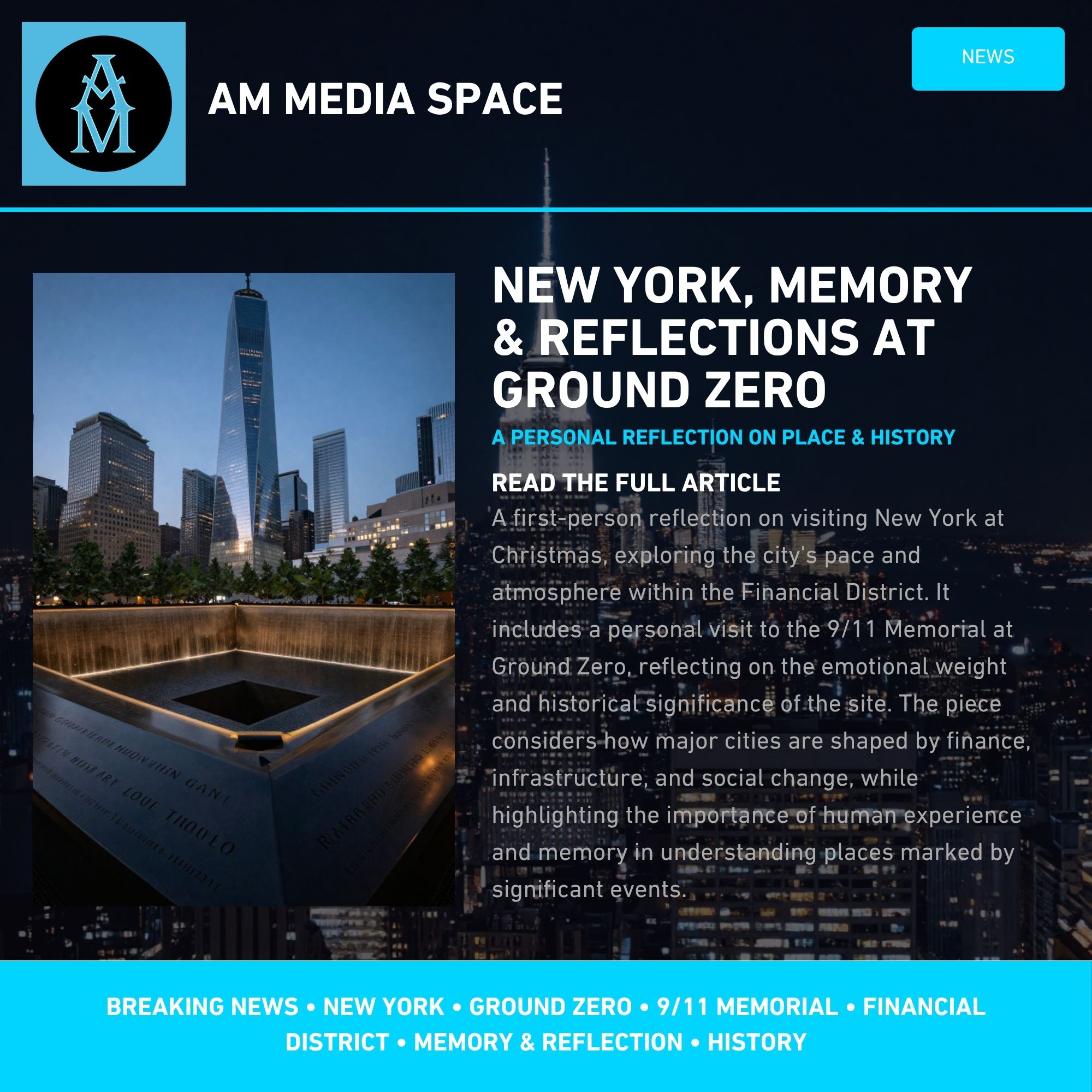
This first-person reflection explores a visit to New York during Christmas, focusing on impressions of the city’s pace, structure, and atmosphere, particularly within the Financial District. It includes a personal visit to the 9/11 Memorial at Ground Zero, where the writer reflects on the emotional weight of the site and its historical significance. The article considers how major cities are shaped by systems of finance, infrastructure, and social change, while also highlighting the importance of human experience, memory, and reflection in understanding places marked by significant historical events.
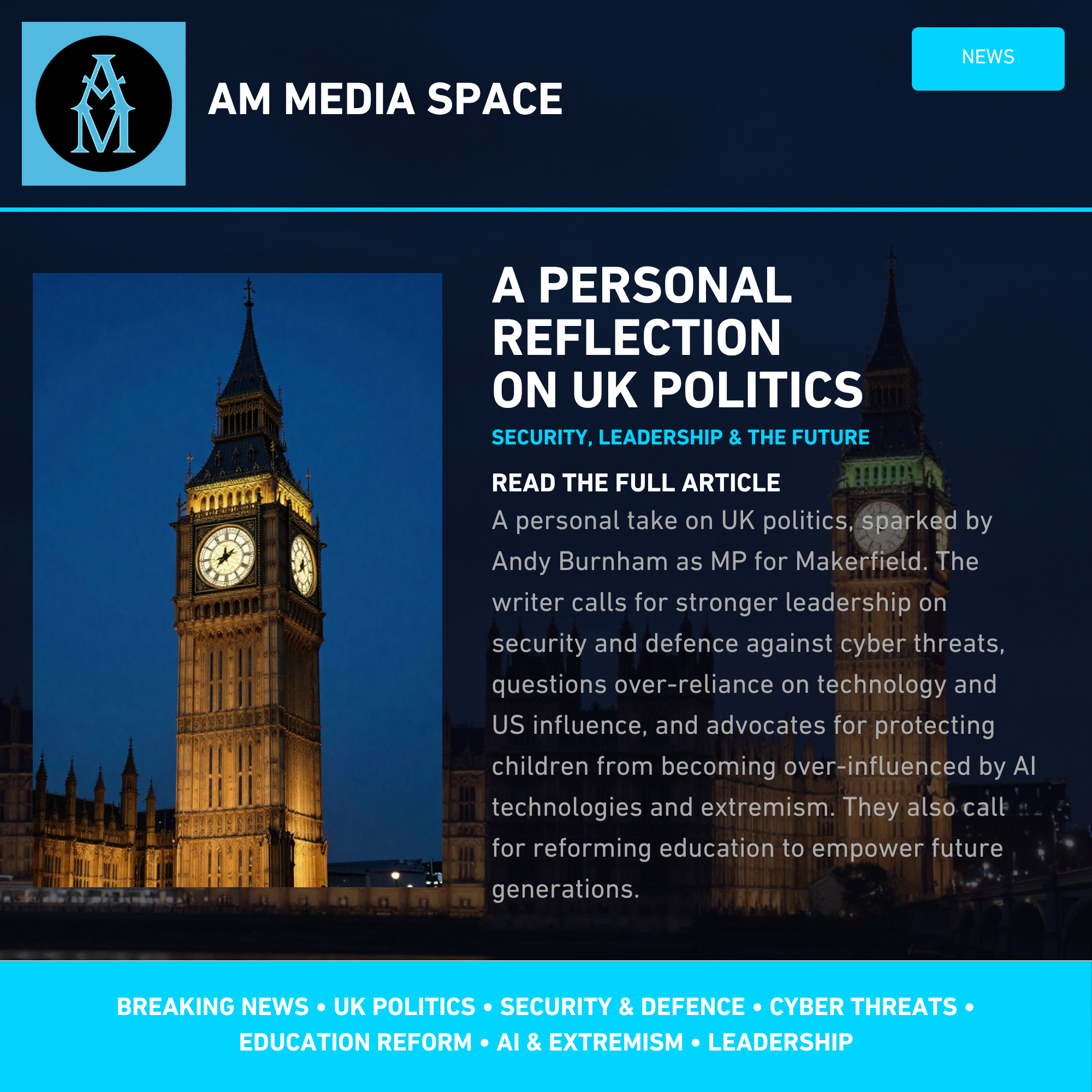
I’m not someone who has always been into politics; in fact, it’s quite the opposite, as I feel politicians are often puppets for a larger system controlled by elites. My interest was sparked by Andy Burnham, partly because I work at the Markfield Project and he is the MP for Makerfield, which made me feel a personal connection. If he were to become Prime Minister, I would want to see real action, especially in strengthening the UK’s security and defence systems. I believe the country is currently vulnerable to cyber threats and infrastructure attacks, and that we need to take these risks more seriously. I also feel that society has become too dependent on technology and influenced heavily by American trends, where phones and social media shape too much of daily life. I would like to see the UK become more independent in its thinking and decision-making. For me, it is important that children are protected from the mistakes of adults and that the education system is improved so it empowers young people to make better decisions and build a stronger future. I also care about issues around disability and government finances, which I see as important areas that need attention going forward.
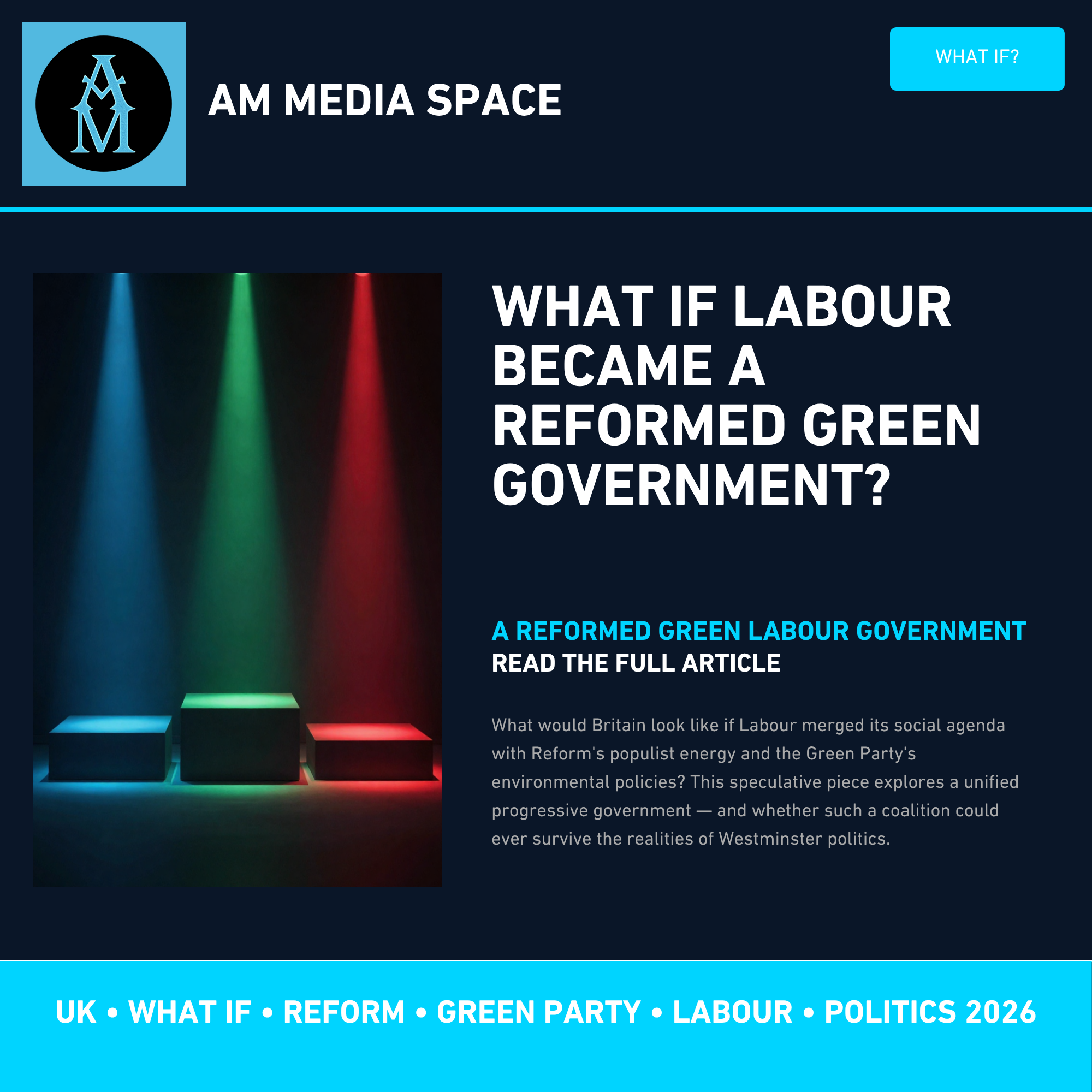
What if Labour transformed into a “Reformed Green Labour” government, putting climate action at the heart of economic and social policy? This analysis explores how such a shift could reshape energy, jobs, public services, and regional investment in the UK, while also examining the political challenges, costs, and tensions that could come with a rapid move toward a greener, more interventionist state.
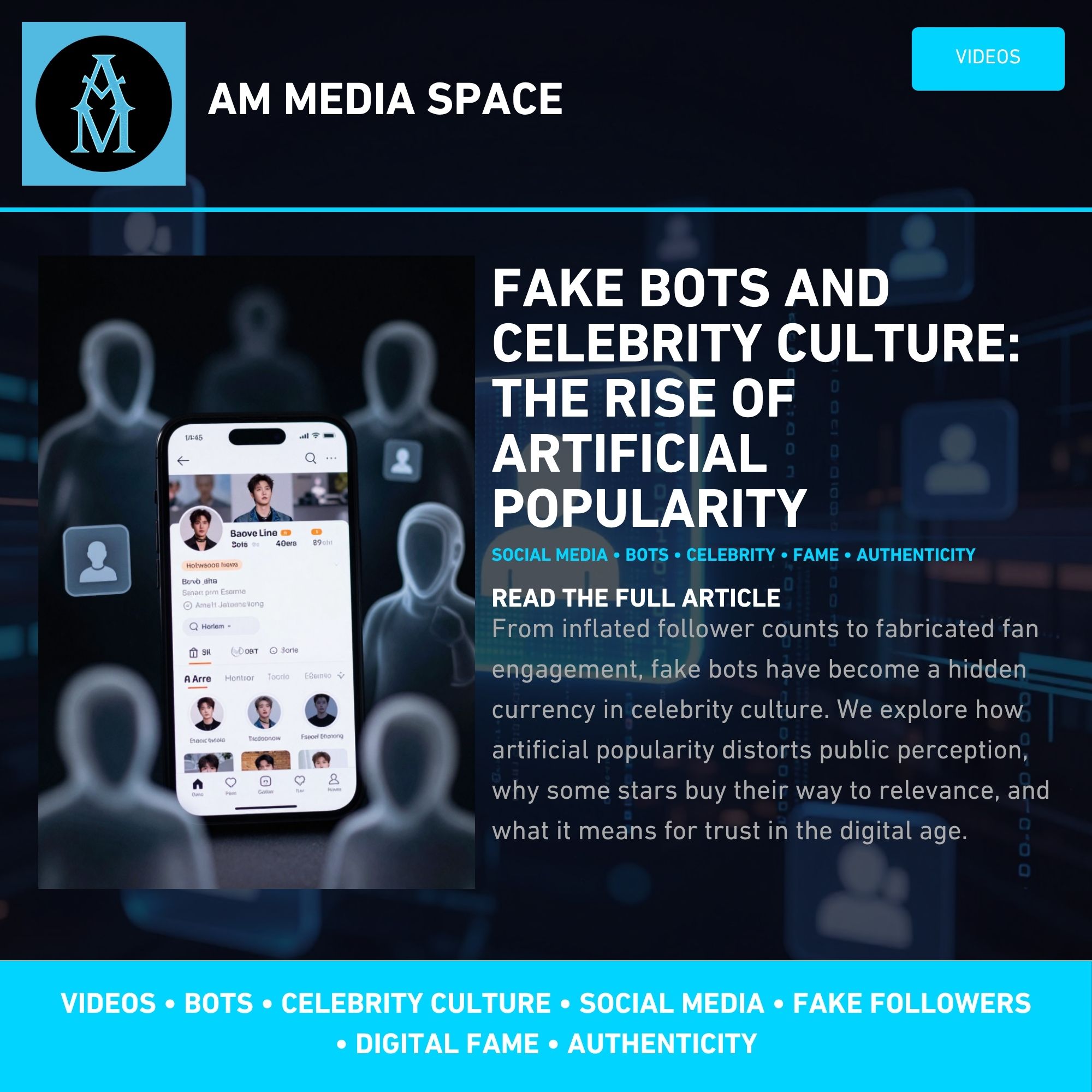
Explore how fake bots, artificial engagement and inflated social media metrics are shaping celebrity culture. Learn how automated accounts affect online popularity, brand partnerships and public perception, and why authenticity matters more than ever.
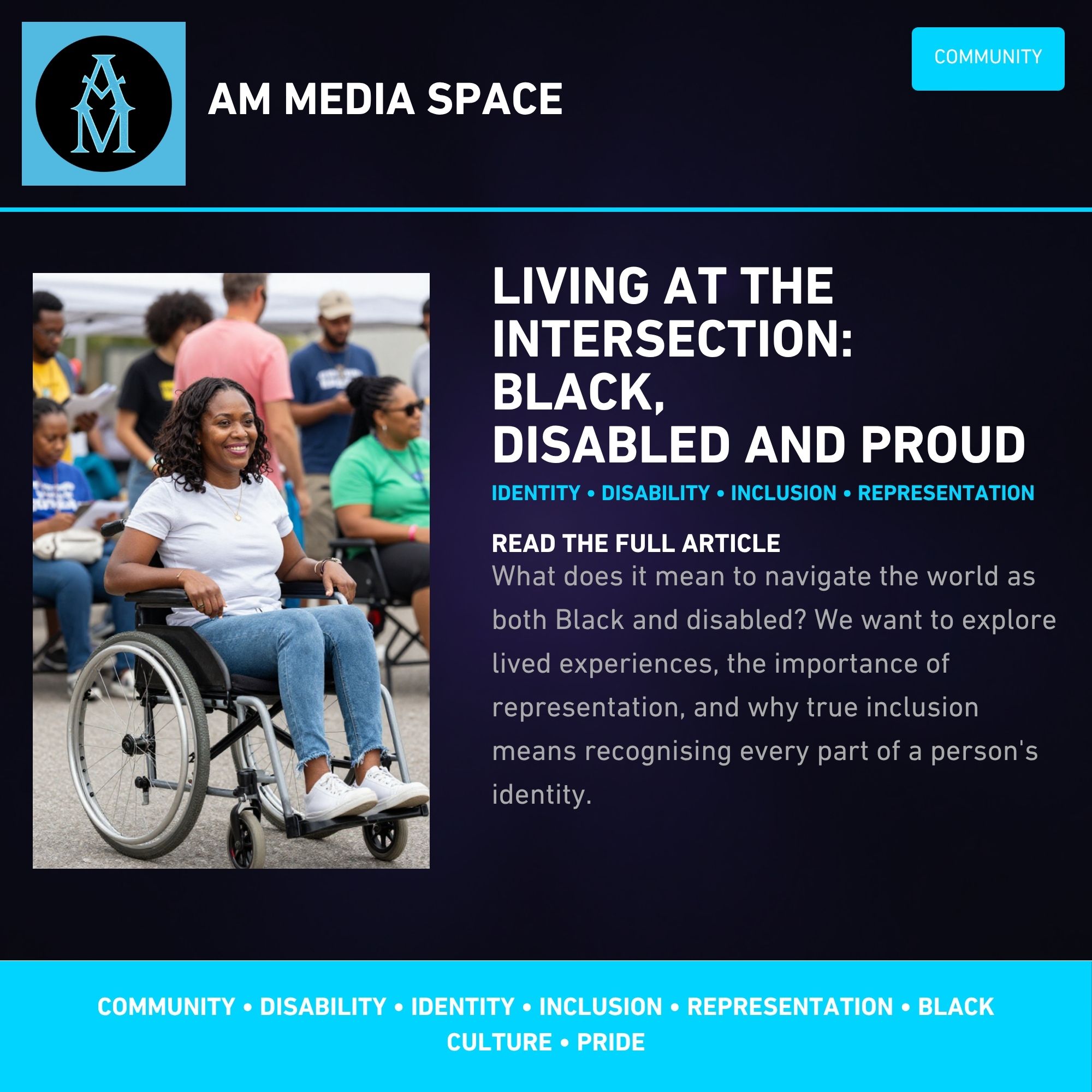
Being Black and disabled means navigating the intersection of race and disability in a society where both identities are often discussed separately. This article explores the barriers, resilience, representation and progress shaping the lives of Black disabled people while highlighting the importance of inclusion, equality and amplifying lived experiences.
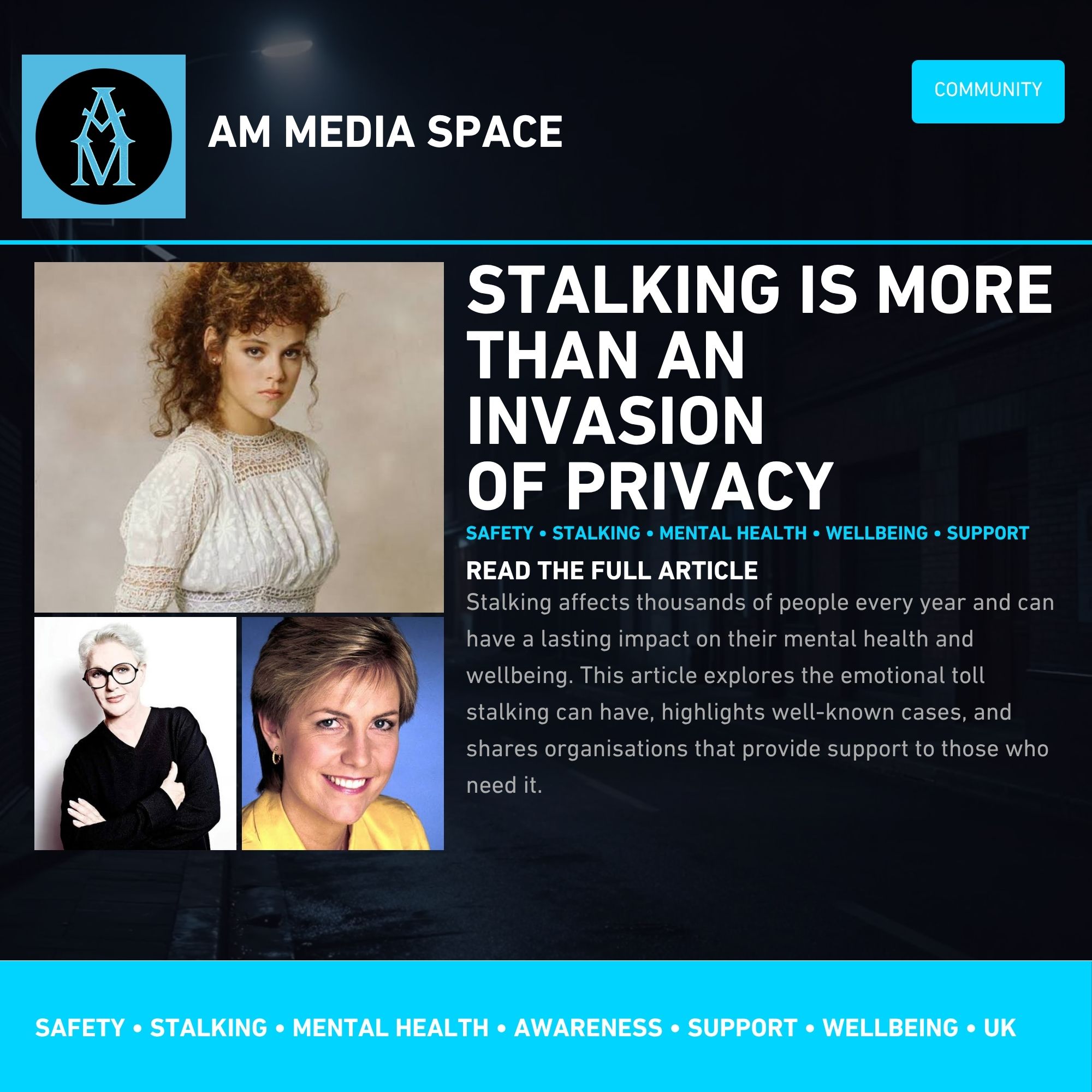
Stalking can have a devastating and long-lasting impact on a person's mental wellbeing, sense of safety and daily life. In this personal opinion article, the author reflects on the frustration of living with the feeling of being stalked over many years, discusses why stalking should always be taken seriously, highlights several well-known stalking cases, and provides information about organisations that offer support to victims.

Marriage has shifted from a social default to a deliberate choice shaped by later-life commitment, rising cohabitation, and changing expectations. UK trends show long-term declines in marriage rates and later age at first marriage, while celebrity relationships highlight how intensity, visibility, and autonomy can accelerate both connection and breakdown. After divorce, many people move away from abstract views of marriage toward a more practical evaluation of what actually makes a relationship sustainable, focusing less on the institution itself and more on whether it improves or complicates a specific partnership.
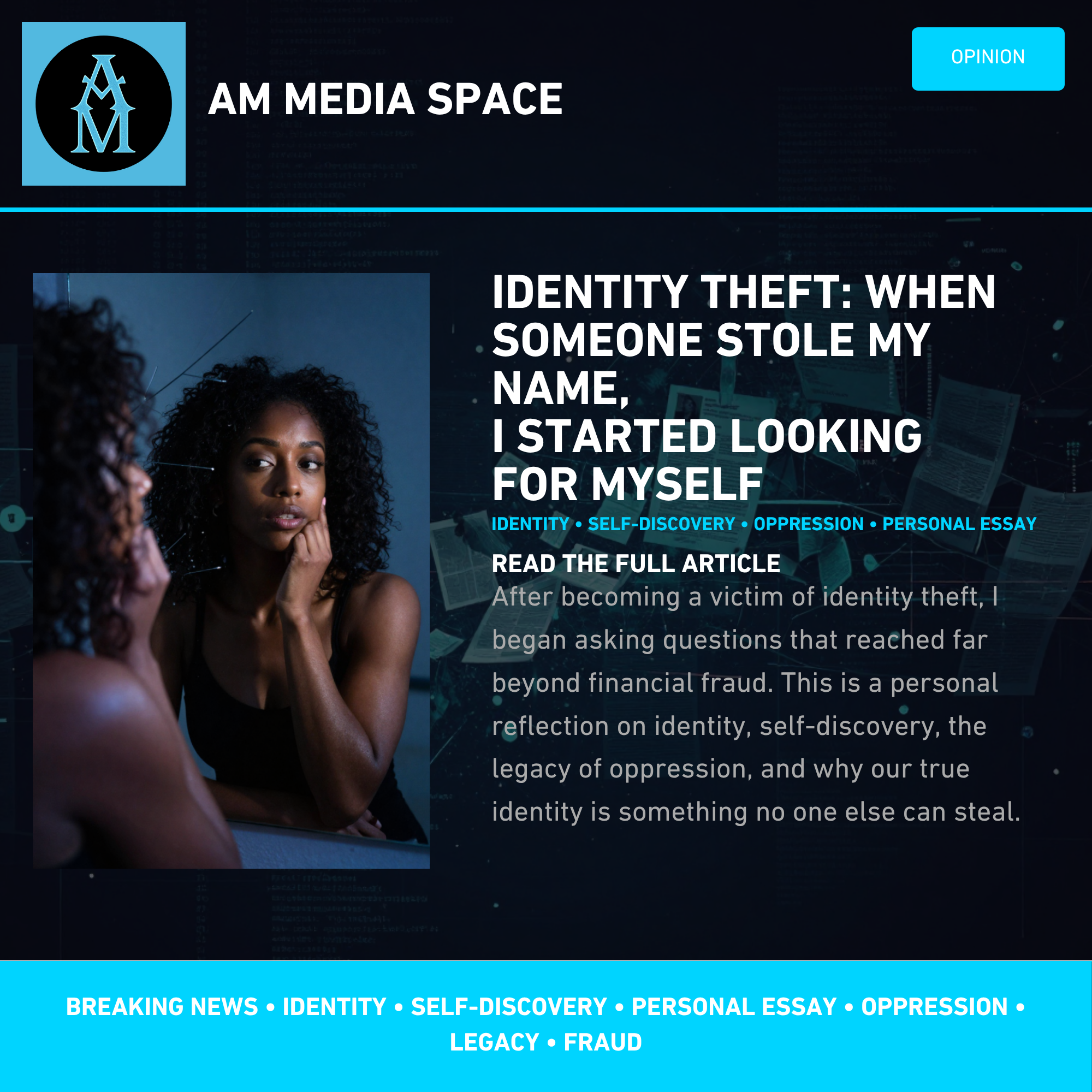
Identity theft changed the way I think about who we are. This article explores the difference between the identity society recognises, the identity criminals exploit, and the identity we spend a lifetime discovering.
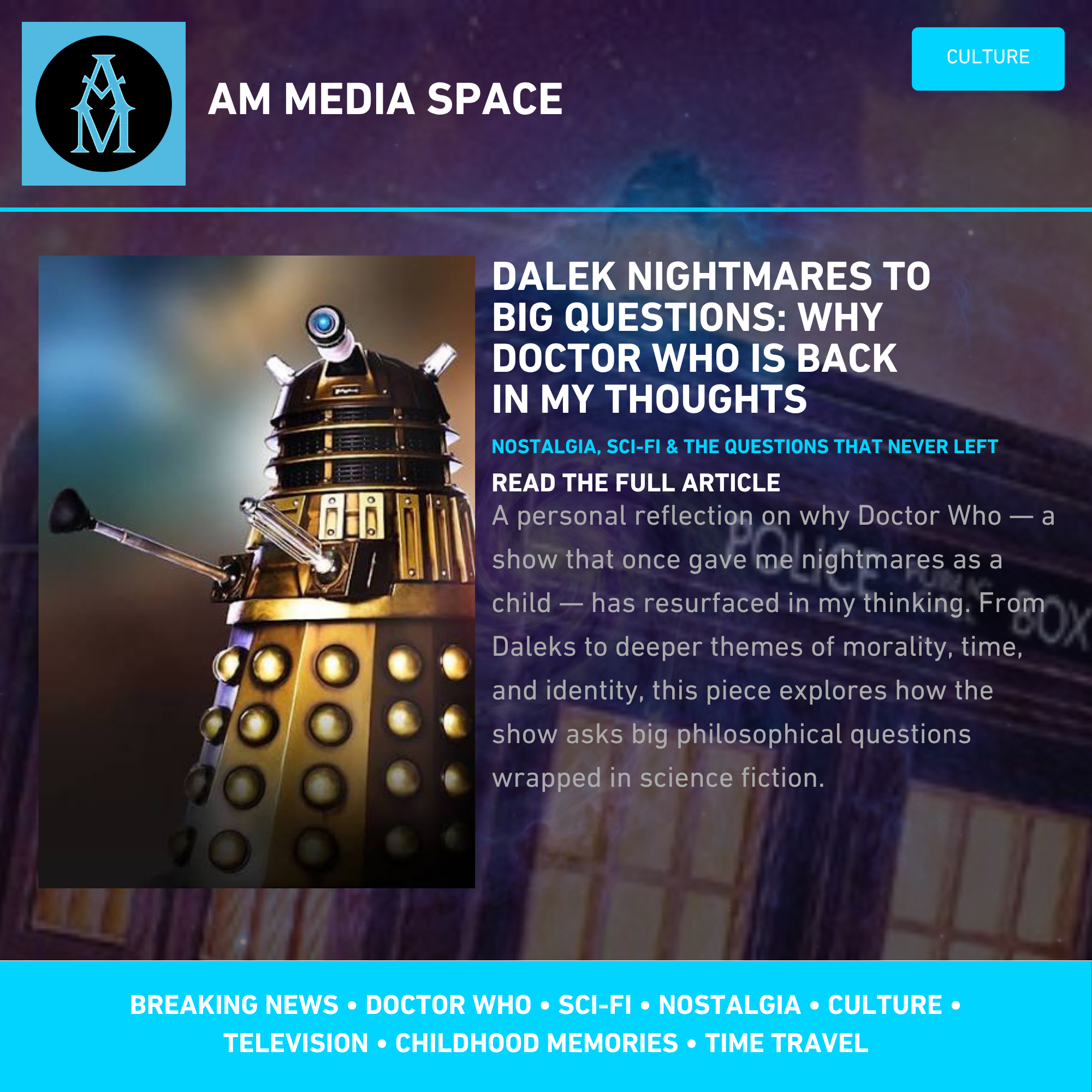
A personal reflection on childhood memories of Doctor Who, the fear of Daleks, and how those early experiences led to bigger questions about aliens, other worlds, and humanity's place in the universe. Looking back at the imagination, curiosity, and mystery that science fiction can inspire, this article explores why Doctor Who has unexpectedly found its way back into my thoughts after many years away from the series.
An exploration of the idea that the music industry may feel “cursed,” examining the deaths of iconic artists, industry controversies, changes in music production and technology, the streaming era, and why each generation tends to believe music quality has declined.

The UK’s proposed under-16 social media restrictions aim to improve online safety and reduce harm, but raise complex questions about access, inclusion, and communication. This analysis explores how such policies could affect disabled young people who rely on digital spaces for connection, support, and identity, alongside the potential benefits and risks of tighter regulation.
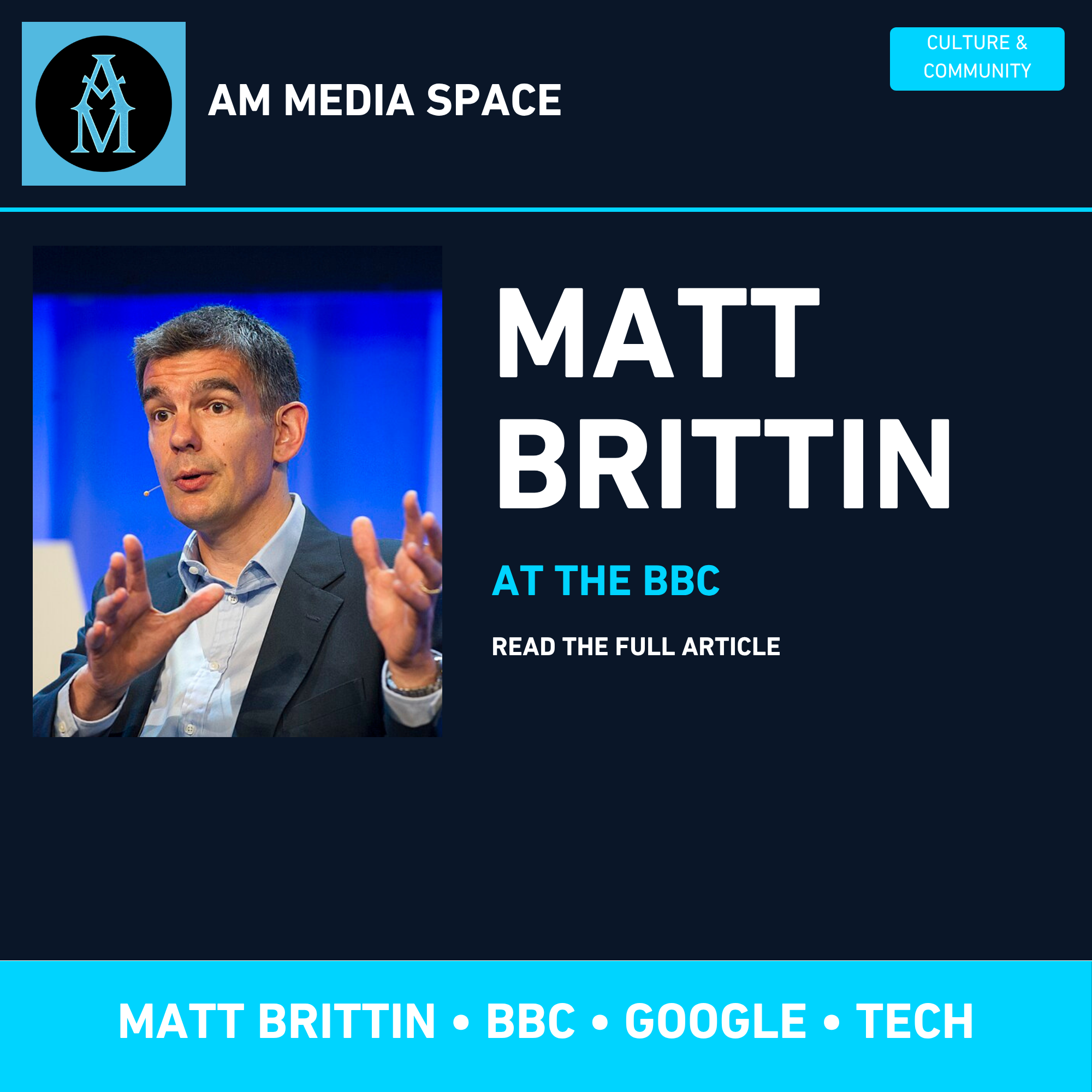
Matt Brittin’s leadership of the BBC comes at a pivotal moment for public service broadcasting. This article explores the challenges facing the corporation, including digital transformation, funding pressures, and the need to maintain trust and relevance

After drifting away from music for years, I'm revisiting the artists who shaped my life. Busta Rhymes is the first stop on a personal journey to rediscover the energy, creativity, and timeless appeal of classic music.
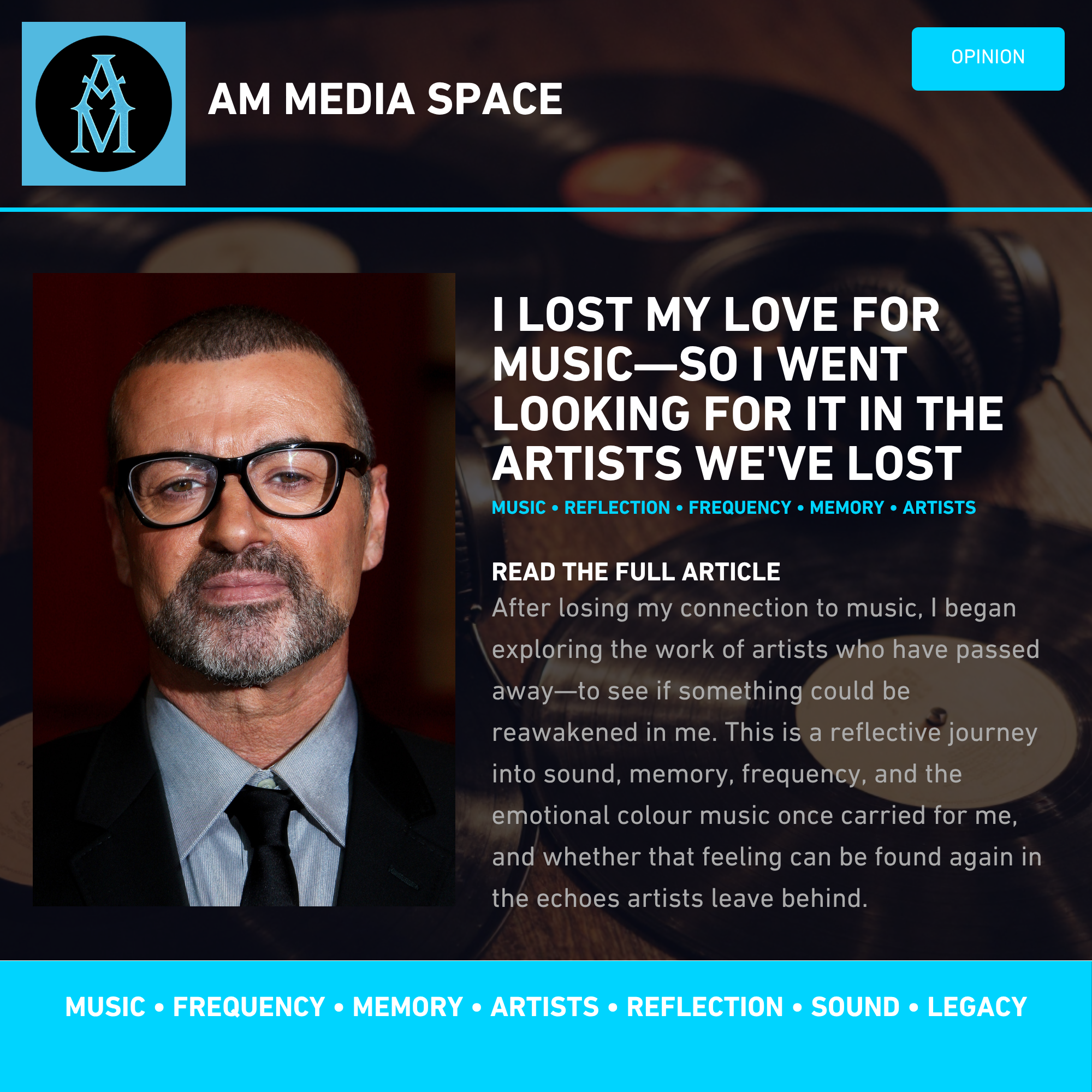
George Michael was one of the most influential British artists of his generation, rising from Wham! fame to a powerful solo career defined by emotional depth, vocal excellence, and artistic independence. This article explores his early success, key collaborations with artists like Aretha Franklin, Annie Lennox, Queen, and Elton John, as well as the pressures of fame, his connection to Hampstead Heath, and his lasting legacy in music and culture.

Not every music legend is living the wild rock-and-roll lifestyle 24/7. While some artists struggle with the pressures of fame, others escape to something much calmer… gardening. This light-hearted look explores how musicians like Paul McCartney and Dolly Parton have embraced nature, green spaces, and a slower pace of life—proving that sometimes the best way to stay grounded is literally in the soil.
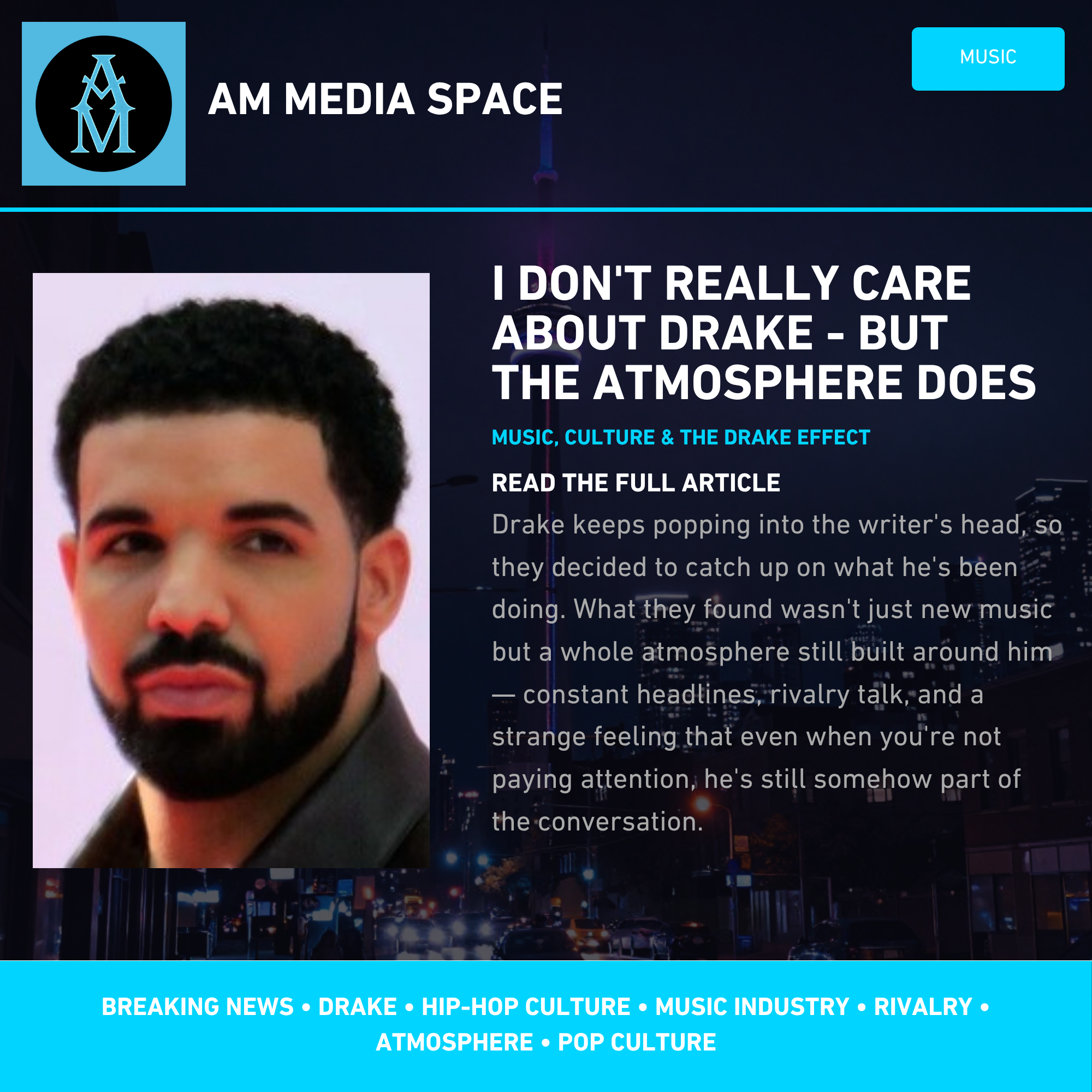
This first-person reflection revisits Drake’s music after a long gap, starting from a place of personal disinterest but noticing how strongly his presence still shapes modern music culture. It explores his evolution since the “Hotline Bling” era, his continued influence across global streaming and branding, and the wider atmosphere surrounding him, including his rivalry with Kendrick Lamar. The article focuses less on personal fandom and more on how cultural energy, media attention, and industry dynamics keep Drake at the centre of ongoing conversations in music.
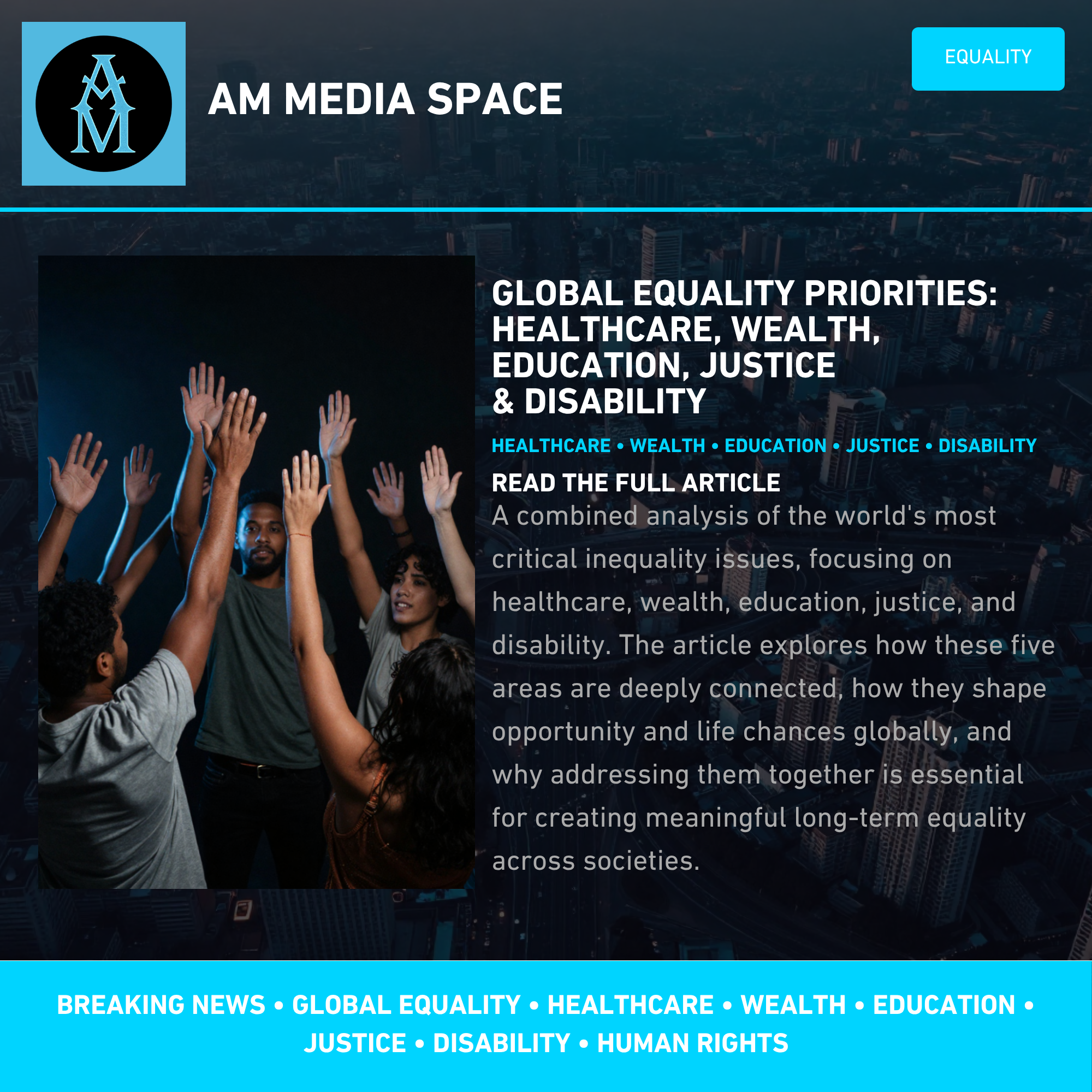
A combined analysis of the world’s most critical inequality issues, focusing on healthcare, wealth, education, justice, and disability. The article explores how these five areas are deeply connected, how they shape opportunity and life chances globally, and why addressing them together is essential for creating meaningful long-term equality across societies.
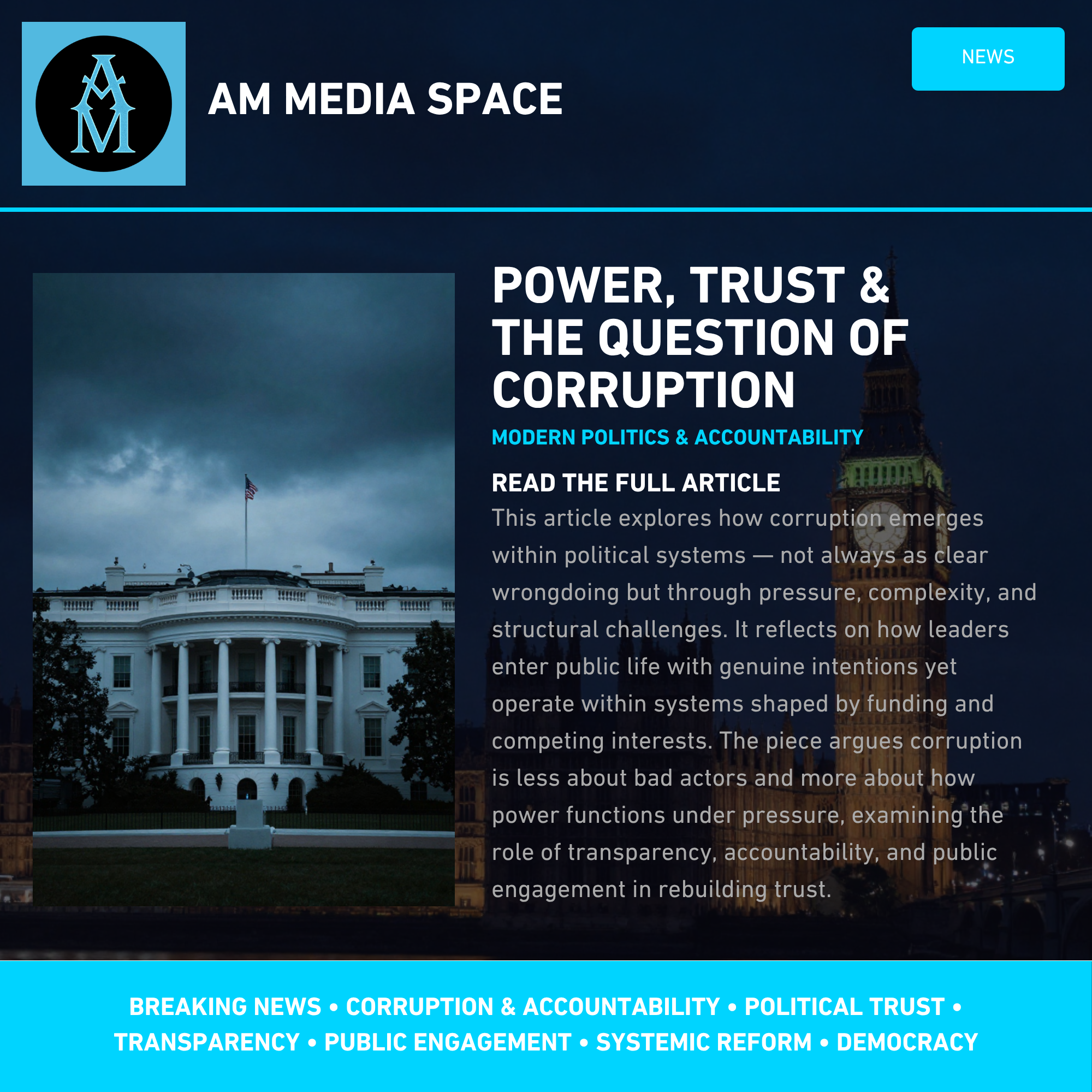
This article explores how corruption and unethical influence can emerge within political systems, not always as clear wrongdoing but often through pressure, complexity, and structural challenges. It reflects on how most political leaders enter public life with genuine intentions, yet operate within systems shaped by funding, competing interests, and short-term electoral cycles. The piece argues that corruption is less about a fixed number of “bad actors” and more about how systems of power function under pressure. It also examines the role of transparency, accountability, education, and public engagement in reducing corruption and rebuilding trust between citizens and political institutions.
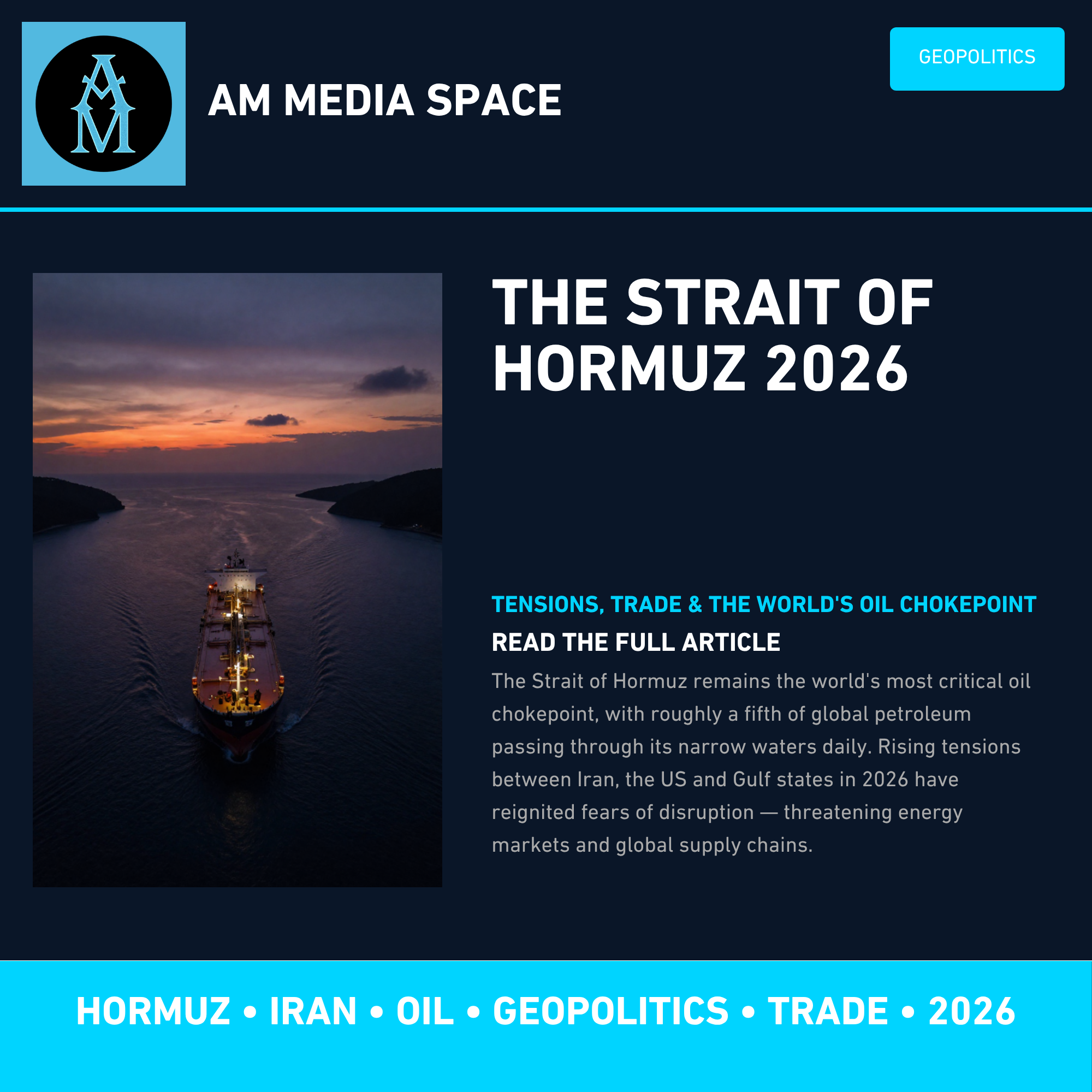
The Strait of Hormuz remains one of the world's most strategically important waterways, carrying vast quantities of oil and gas through a narrow shipping corridor. This analysis explores why the strait continues to be at the centre of geopolitical tensions, why threats of closure repeatedly emerge, and what disruption could mean for global markets, energy security and international stability.
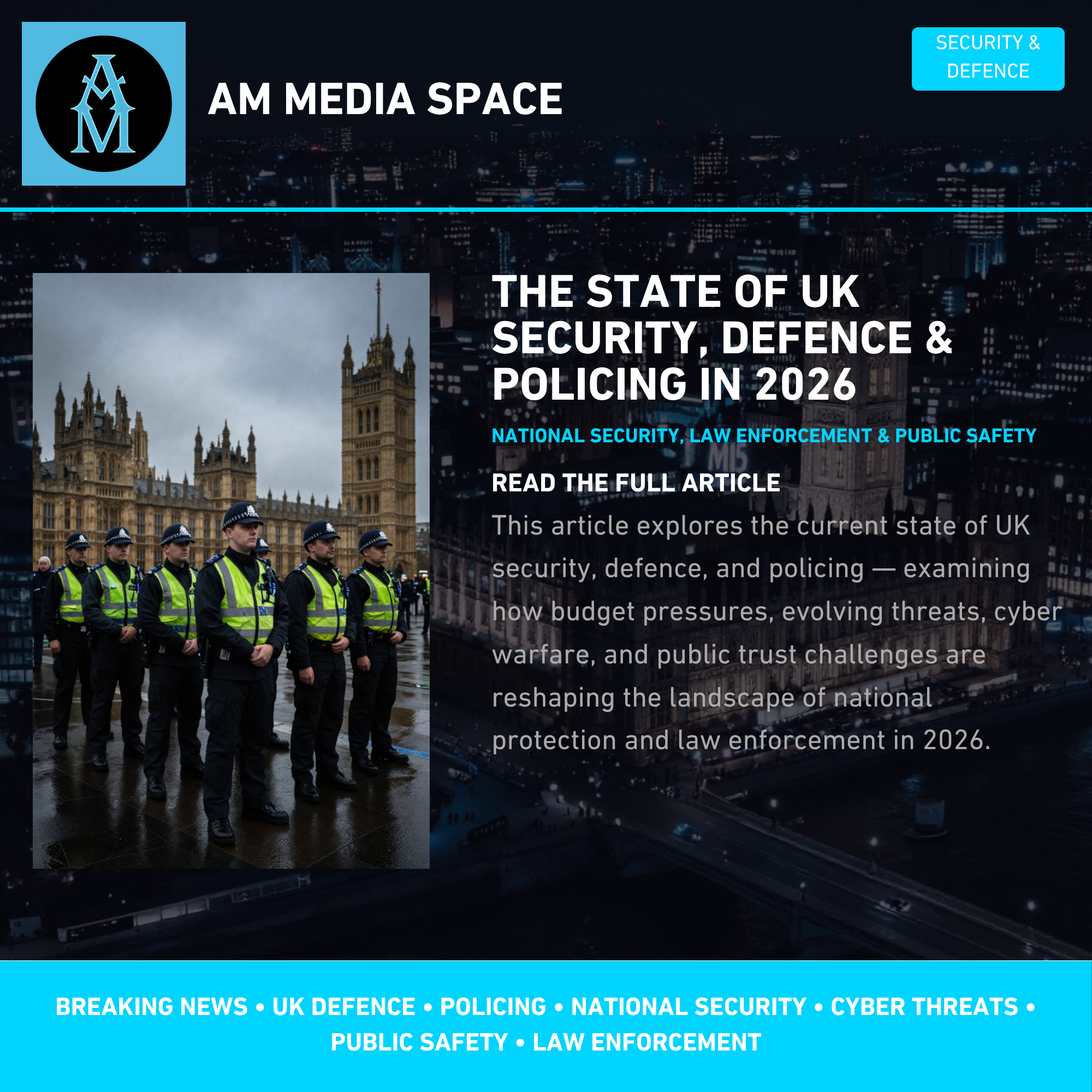
This article explores how the United Kingdom is adapting to a rapidly changing security landscape shaped by cyber warfare, terrorism, intelligence operations, and technological dependence. It examines the roles of the Metropolitan Police, armed forces, intelligence agencies, and government departments, alongside the growing importance of education, inclusion, and national resilience. The piece reflects on how modern threats are increasingly interconnected and argues that long-term stability depends on cooperation, adaptability, and stronger systems across society rather than isolated responses.

An in-depth look at the world's major data centres, the information they store, how they are protected, their role in modern society, and the challenges posed by cyber threats, resilience planning, and critical infrastructure security
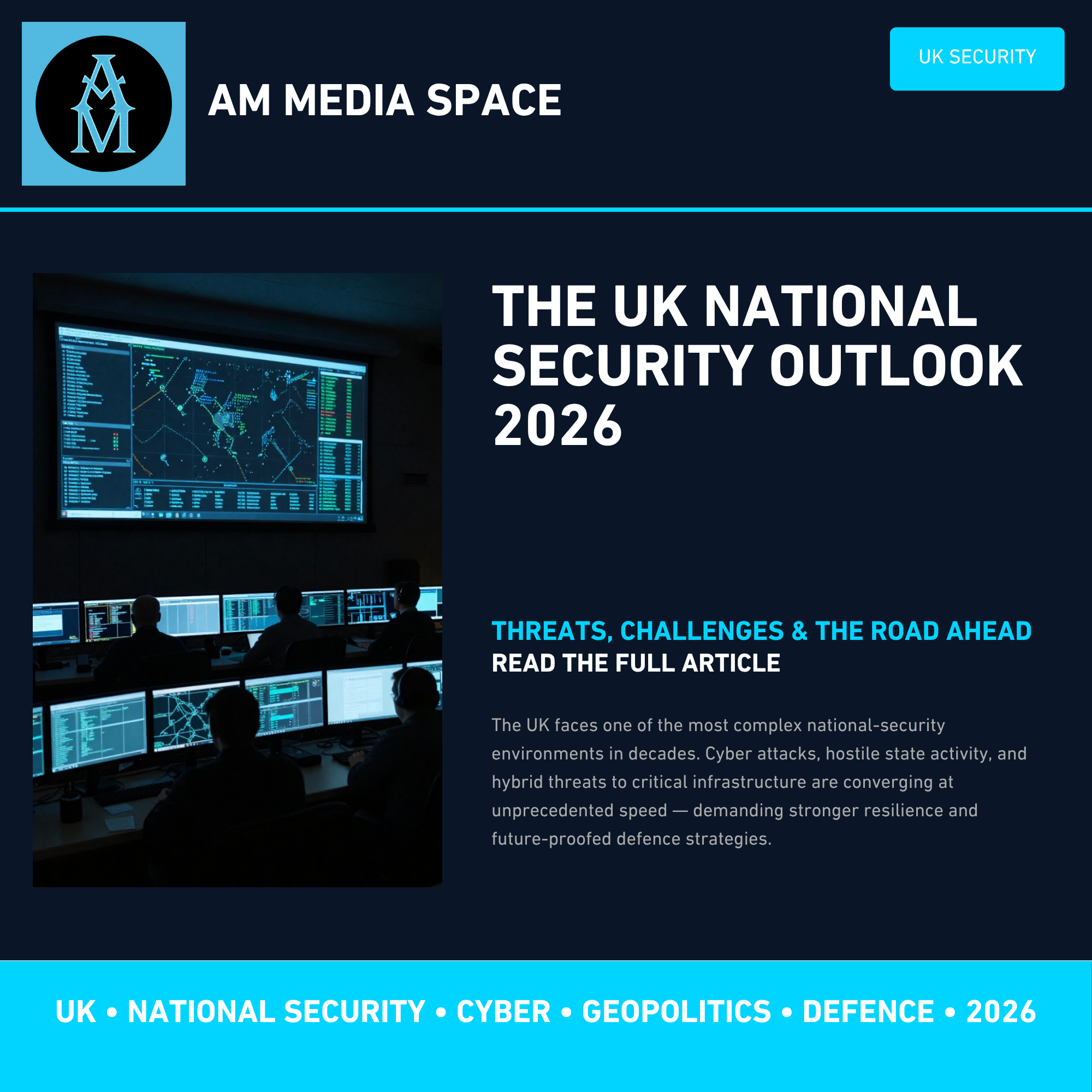
From cyber attacks and artificial intelligence to defence spending and infrastructure resilience, the UK's national security landscape is evolving rapidly. This analysis explores the key threats, emerging challenges, and priorities shaping Britain's security in 2026 and beyond.

Romanian-born singer, pianist and composer Tereza Catarov delivered a captivating performance at Spaacis Uncut, blending contemporary jazz with traditional Eastern European influences. Her soulful voice, expressive piano playing and strong connection to her cultural roots created an unforgettable musical experience.

An inside look into the growing underground live-session culture emerging from Luton, blending raw performances, alternative music, grassroots creativity, and filmed live experiences.
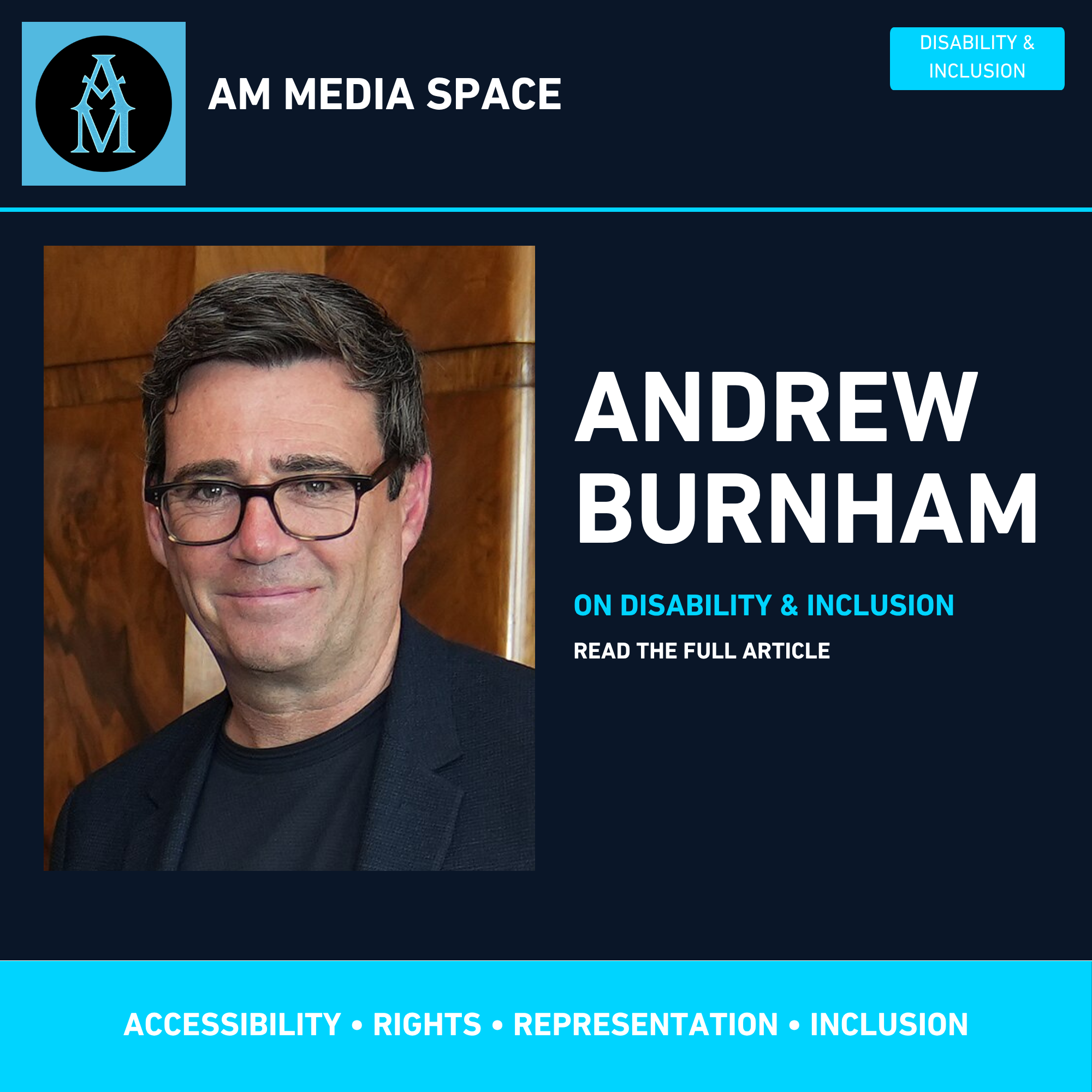
Andy Burnham has consistently spoken about the importance of disability inclusion, equal access to services, and removing barriers that prevent disabled people from participating fully in society. As Mayor of Greater Manchester, he has championed digital inclusion initiatives, supported disability rights campaigns, and promoted policies designed to improve accessibility and independence for disabled residents.

This article examines the growing shortage of specialist teachers and support staff in schools and the wider strain on public services. It highlights how many teachers feel underprepared to support pupils with special educational needs (SEND), alongside limited access to specialist services and increasing demand in classrooms. The shortage of trained professionals contributes to challenges in education, healthcare, and wider public services, affecting the quality and consistency of support available to individuals with additional needs.